
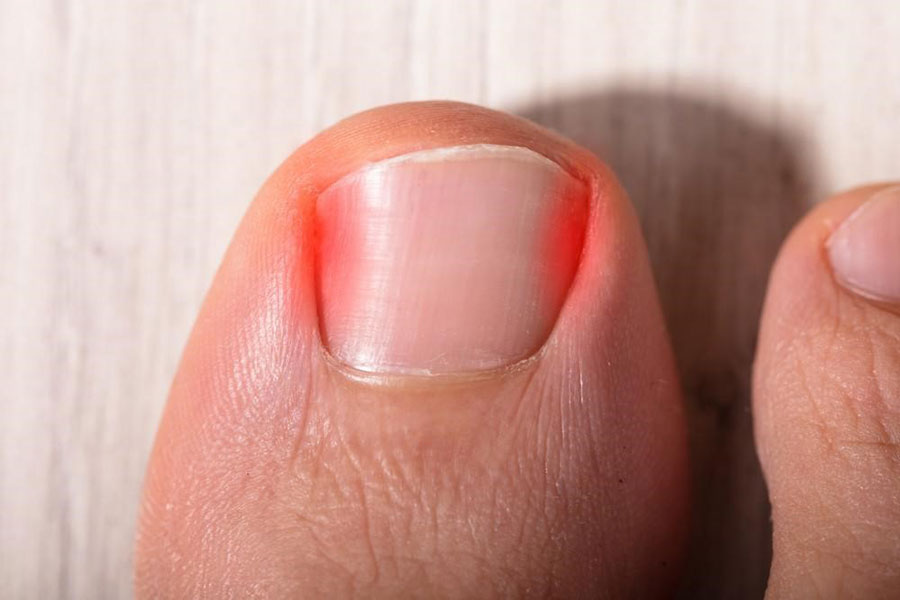
Ingrown toenail is a common foot health problem that occurs when the nail edge grows into the surrounding skin tissue, often causing pain, redness and swelling. It is most frequently seen on the big toe and can cause discomfort severe enough to affect daily life. Incorrect nail trimming, tight shoes, prolonged standing or structural foot issues are among the main causes of this condition.
If left untreated, it may lead to infection and may require surgical intervention in advanced cases. Ingrown toenail treatment is planned according to the severity of the condition and the structure of the person’s foot. This problem, which is important for both aesthetic and health reasons, can be resolved quickly and permanently with modern techniques.
What Is an Ingrown Toenail?
Ingrown toenail is a condition in which the nail edge grows towards and presses into the surrounding skin tissue. It usually occurs on the big toe and may cause inflammation, swelling and pain over time. As the ingrown part progresses, it can make walking difficult and reduce quality of life. In mild cases, only discomfort is felt, while advanced cases may require surgical treatment.
What Causes Ingrown Toenails?
One of the most common causes of ingrown toenails is improper nail cutting. Cutting the nails too round or too deep can cause the edges to grow into the skin. Wearing tight or pointed shoes also creates pressure on the big toe and triggers ingrown toenail formation. Prolonged standing, excessive sweating, fungal infections, genetic predisposition or structural foot deformities may also contribute. Poor foot hygiene increases the risk of infection and may make the problem more serious.
Who Is Most Likely to Experience It?
Ingrown toenail is most common in individuals who ignore foot care or spend long hours on their feet. It is especially more common in the following groups:
- Teenagers and young adults: Hormonal changes may affect nail structure, and less attention to foot care increases risk.
- Athletes: Sports like running, football and basketball put extra pressure on the feet.
- People who stand for long periods: Teachers, healthcare workers and waiters are at higher risk.
- People who wear tight shoes: Heels, pointed or narrow shoes can push the nail into the skin.
- Incorrect nail trimming: Cutting the nail edges too deep or round increases the chance of ingrowth.
- Genetic predisposition: Some nail shapes make individuals more prone to ingrown toenails.
Without early prevention, ingrown toenails can lead to infection and chronic problems.
Which Foot and Toe Is Affected Most?
Ingrown toenail most often affects the right big toe. The main reason is that most people place more pressure on their right foot during daily movements. Extra load during walking or shoe selection may cause the nail to push into the skin. However, it can occur on both feet and primarily affects the big toes. Other toes are less commonly affected due to lower pressure.
Does an Ingrown Toenail Hurt?
Yes, an ingrown toenail causes pain. When the nail edge presses into the skin tissue, the area becomes sensitive and may develop significant pain over time. In early stages, it presents as discomfort, but as it progresses, even wearing shoes or walking may become difficult. If infection develops, the pain becomes sharp and constant. Redness, swelling, heat and discharge typically intensify the pain. Therefore, ingrown toenails should be treated without delay.
Can It Cause Infection?
Yes, if left untreated, an ingrown toenail may cause infection. When the nail grows into the skin, it creates an open wound. This exposed tissue provides an entry point for bacteria. Infected ingrown toenails show signs such as redness, swelling, warmth and discharge. In advanced cases, the infection may reach the bone and cause serious complications. Early treatment is essential.
Can Ingrown Toenails Be Treated at Home?
In mild cases, some home remedies may provide temporary relief. However, these do not offer permanent solutions and must be performed carefully to avoid infection. Home care options include:
- Soaking the feet in warm soapy water 1–2 times a day
- Applying antiseptic to the affected area
- Wearing wide and comfortable shoes
- Placing cotton under the nail edge to prevent further digging
These methods are only helpful in early stages. If pain, swelling or discharge is present, or if the problem recurs, professional treatment is necessary. Incorrect home interventions may worsen the condition.
When Should You See a Doctor?
Ingrown toenails can be controlled if noticed early, but medical help is necessary in the following cases:
- If the pain affects daily life
- If swelling, redness or sensitivity increases
- If there is discharge, odor or infection signs
- If home care does not improve the condition
- If the problem is recurrent
- If the person has diabetes or poor healing conditions
These symptoms may indicate worsening infection. Early treatment reduces risk and makes recovery easier.
Does an Ingrown Toenail Heal on Its Own?
An ingrown toenail usually does not heal on its own. While early pain and swelling may seem mild, pressure from the nail increases over time and worsens the condition. Without proper trimming or care, infection can develop. Leaving it untreated is not recommended. Early cases can be managed with simple interventions, but advanced cases may require surgical solutions.
Is Nail Removal Always Necessary?
No, nail removal is not necessary in every case. It is usually a last resort for severe, recurrent or infected cases that do not respond to other treatments. Today, brace systems, local techniques and laser treatments often solve the problem without removing the nail. Nail removal may be painful and increase the risk of nail deformity, so protective and modern approaches are preferred.
Is Laser Treatment Available for Ingrown Toenails?
Yes, laser treatment is widely used in modern clinics. The laser removes the part of the nail that grows into the skin and clears the inflamed tissue. It also helps the nail grow properly again.
Laser treatment is less painful than surgery and heals faster. It does not damage surrounding tissues, offering cosmetic advantages. In recurrent cases, laser may also be used to narrow the nail root to prevent future ingrowth.
Do Ingrown Toenails Come Back?
Yes, if proper care is not taken, ingrown toenails may recur even after treatment. Incorrect nail trimming, tight shoes, poor foot hygiene and foot deformities all increase the chance of recurrence.
To prevent recurrence:
- Cut nails straight; do not round the edges
- Wear wide, comfortable shoes
- Keep feet clean and dry
- Use orthonyxia (brace treatment) if necessary
Good habits help prevent long-term recurrence.
Does Shoe Choice Affect Ingrown Toenails?
Yes. Wearing tight, pointed or narrow shoes increases pressure on the nail and may cause it to grow inward. Shoes should allow the toes to move comfortably to maintain natural nail growth.
Ingrown Toenail Prices 2026
Because ingrown toenail treatments are personalized, prices vary depending on the technique used, the condition of the nail and the applied treatment plan. Mild and severe cases require different approaches.
Our clinic offers modern, comfortable and long-lasting treatment options. You can visit us for a free preliminary assessment to determine the most suitable method for your needs. For detailed information on ingrown toenail prices, contact us today.
Frequently Asked Questions
Why Do Ingrown Toenails Keep Coming Back?
Ingrown toenails tend to recur when the underlying causes are not corrected. Improper trimming, tight shoes, structural foot deformities and irritation around the nail edge contribute to frequent recurrence. Those who have previously experienced ingrown toenails may have changed nail structure, making continued care essential.
Does an Ingrown Toenail Cause Infection?
Yes, untreated ingrown toenails may lead to infection. When the nail injures the skin, an entry point for bacteria forms. Redness, swelling, pain and yellow-green discharge are typical signs. Severe infection may cause tissue damage and require more advanced treatment.
Is Swelling Normal?
Local swelling is common in ingrown toenails. It may indicate inflammation or tissue irritation. Warm water soaks and antiseptic care may help, but persistent or worsening swelling requires professional evaluation.
Does It Make Walking Difficult?
Yes, advanced cases may significantly impair walking. Pain from nail pressure makes each step uncomfortable. Infection or swelling worsens the difficulty, sometimes making even wearing shoes painful.
Should Every Ingrown Toenail Be Removed?
No, nail removal is not necessary in every case. It is reserved for severe, infected or recurrent cases. Modern techniques allow treatment while preserving the nail.
Do Children Get Ingrown Toenails?
Yes, children may also experience ingrown toenails due to fast nail growth, tight shoes, sports or improper trimming. Early detection helps prevent complications.
Is Pedicure Harmful?
Yes, improper pedicure techniques can worsen ingrown toenails. Cutting the edges too deep or irritating the nail bed may trigger infection.
Do Antibiotics Help?
If infection is present, antibiotics may help but do not solve the ingrown nail itself. The underlying problem must still be treated.
Which Doctor Should You See?
Dermatology or Orthopedics are the primary departments. Severe infections may require General Surgery or Foot Health Centers.
What Should Be Considered After Treatment?
- Cut nails straight without rounding corners
- Keep feet clean and dry
- Avoid tight and pointed shoes
- Avoid pressure on the treated area
- Use antiseptics or creams recommended by the doctor
- Attend follow-up appointments
These precautions speed up healing and reduce recurrence.
You can follow us on Instagram. Instagram.